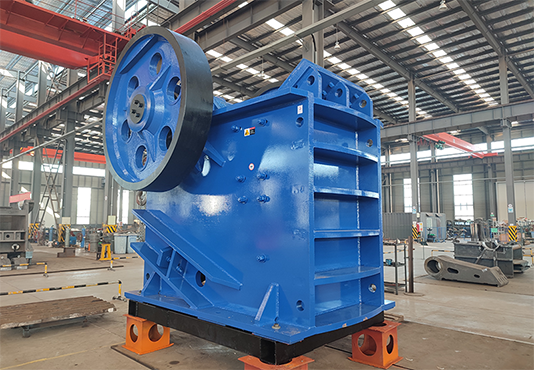
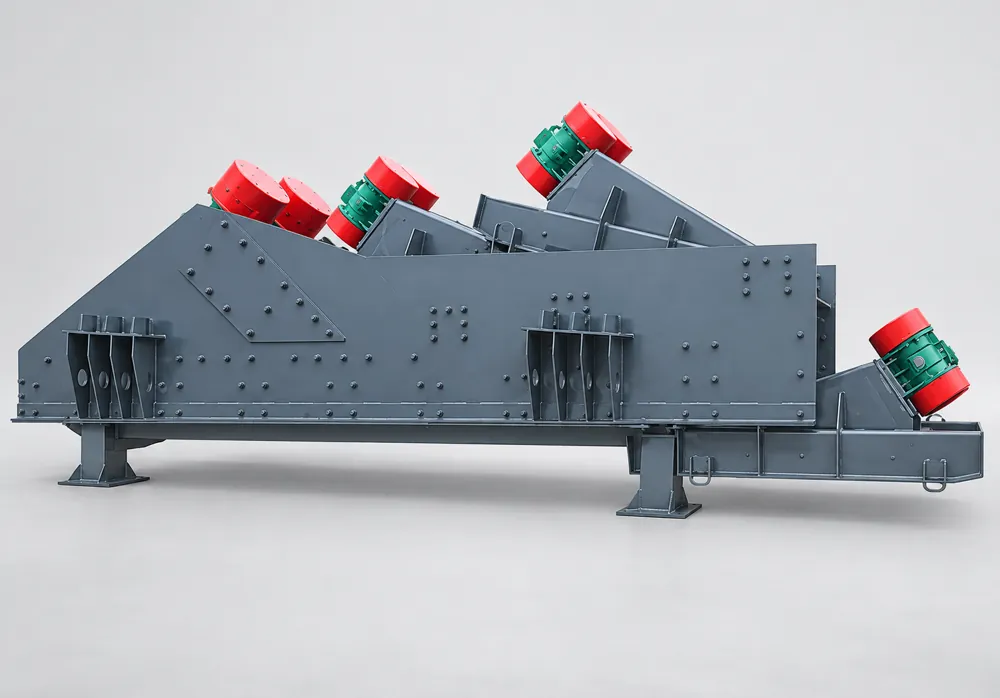
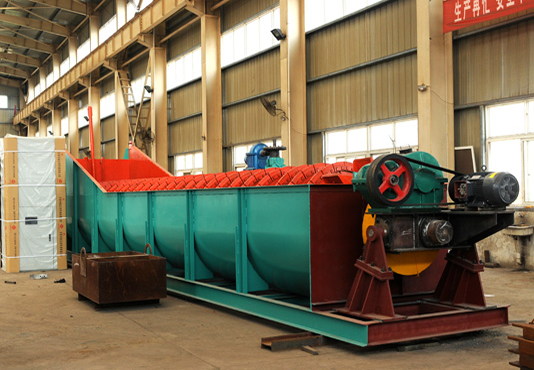
Combined grinding, desliming, magnetic separation, flotation, and acid washing help improve potassium feldspar recovery while removing slime, mica, iron-bearing minerals, titanium minerals, and other impurities.
Energy Efficient
Optimized grinding and separation flow helps reduce unnecessary material circulation, improve classification efficiency, and support stable feldspar concentrate production.
Automated Control
The beneficiation line can be configured with automatic feeding, grinding, classification, magnetic separation, flotation, and slurry handling systems for continuous operation.
Modular Design
The process can be customized according to ore grade, impurity content, grinding fineness, processing capacity, and final feldspar concentrate requirements.
Complete Process Flow
01
Raw Ore Feeding
Potassium feldspar raw ore enters the beneficiation process for grinding and impurity removal.
02
Grinding
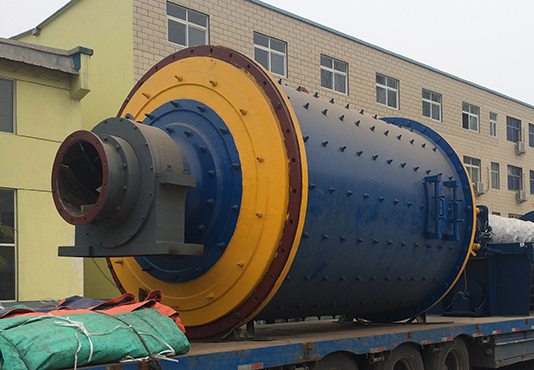
The ore is ground until 0.074 mm accounts for about 40%, preparing the material for desliming and separation.
03
Desliming
The ground slurry is deslimed to remove fine mud and produce Slime 1 as waste material.
04
Low-Intensity Magnetic Separation
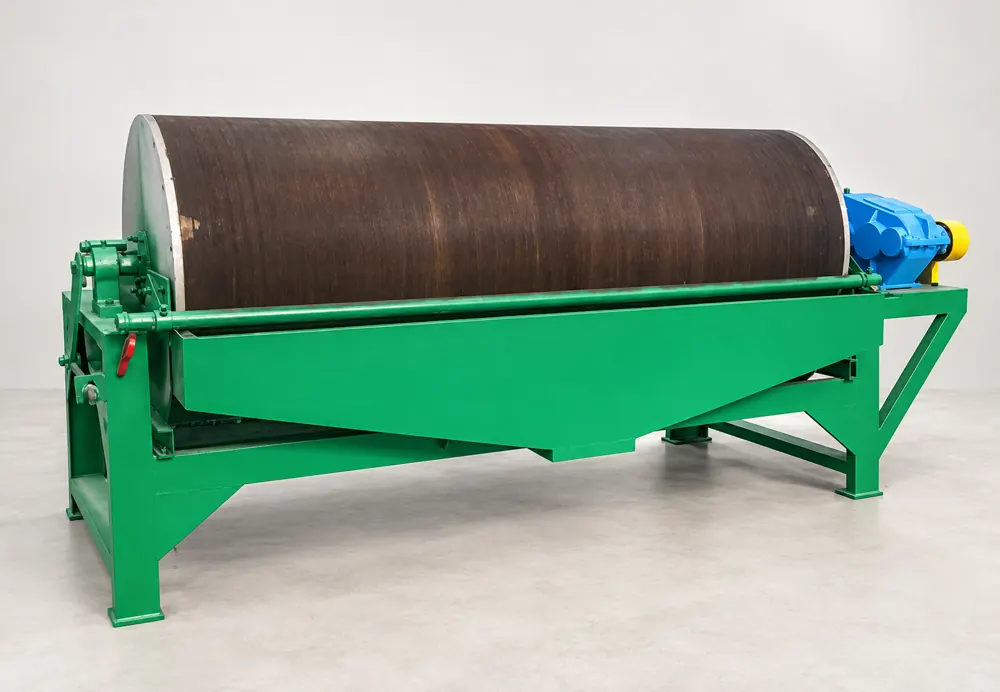
Low-intensity magnetic separation at around 3000 GS removes strong magnetic iron minerals and produces iron concentrate.
05
High-Intensity Magnetic Separation
High-intensity magnetic separation at around 12000 GS removes weakly magnetic iron-bearing minerals from feldspar slurry.
06
Flotation Desliming
Flotation desliming further removes fine slime and prepares the slurry for mica flotation.
07
Rougher Flotation
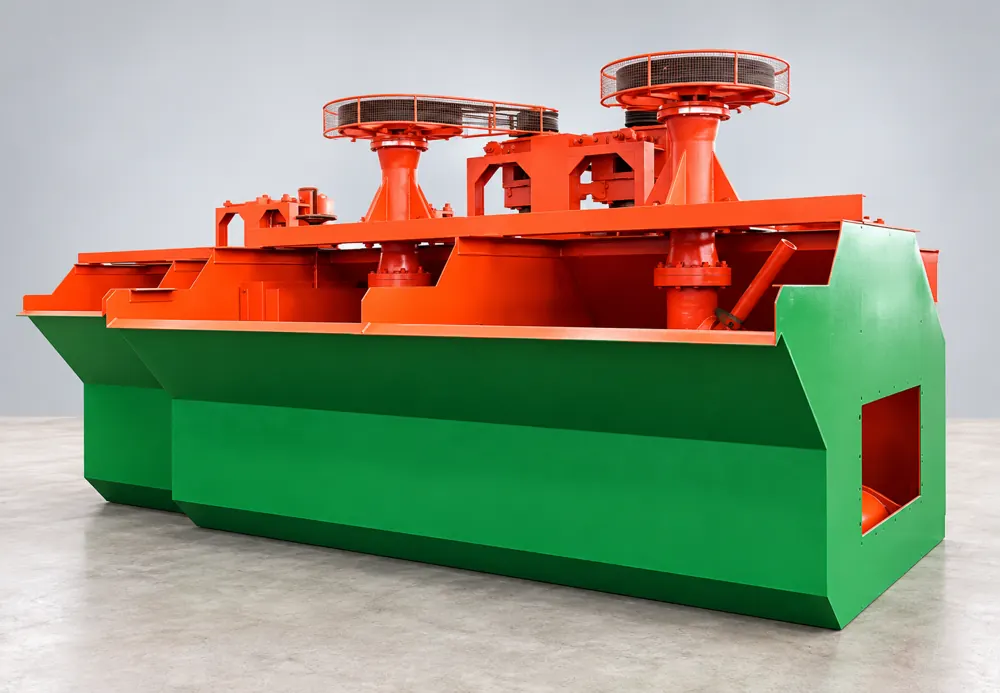
Rougher flotation separates part of the mica and impurity minerals from the feldspar material.
08
Scavenging I
The first scavenging stage further removes remaining mica impurities and improves feldspar concentrate quality.
09
Scavenging II
The second scavenging stage provides deeper impurity removal before obtaining the final feldspar product.
Download Complete Process Documentation
Get detailed flow diagrams, equipment specifications, and design guidelines