Separates sulfide, oxide, and mixed copper ores.
Crushing prepares copper ore for grinding stages.
Screening controls feed size for stable ore flow.
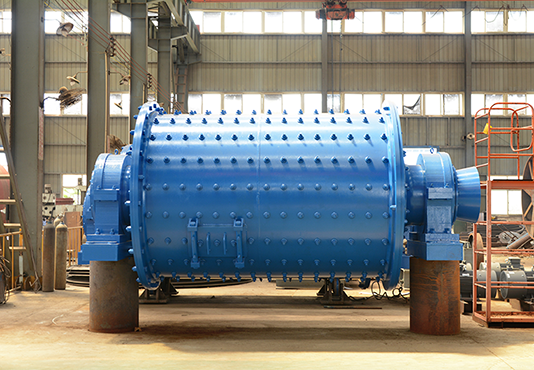
Ball mills help liberate copper before flotation.
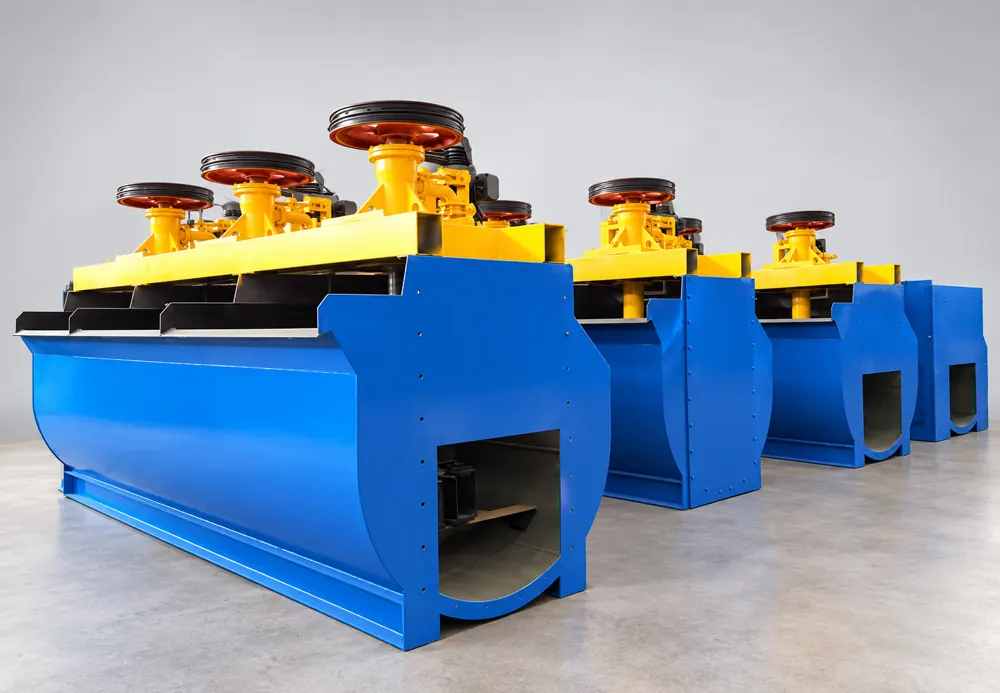
Flotation leaching recover copper minerals well.
Copper Concentrate Production
Copper Mining
Electrical Materials Industry
Non-ferrous Metal Mining
Oxide Copper Processing
Polymetallic Ore Processing
Smelting Raw Materials
Sulfide Copper Processing
The copper ore beneficiation process improves copper mineral recovery through crushing, screening, grinding, classification, flotation, leaching, concentrate separation, and combined beneficiation methods.
The process route can be selected according to copper ore type, mineral composition, copper grade, sulfide or oxide mineral content, liberation size, and gangue characteristics.
The production line can be configured with automatic feeding, crushing, screening, grinding, classification, reagent dosing, slurry conditioning, flotation, leaching, concentrate collection, and tailings discharge systems.
The process can be customized for sulfide copper ore, oxide copper ore, chalcopyrite ore, chalcocite ore, bornite ore, malachite ore, azurite ore, and complex polymetallic copper ore.
Sulfide copper ore, oxide copper ore, or complex copper ore enters the beneficiation plant.
The process route is selected according to copper mineral type, ore properties, copper grade, and gangue composition.
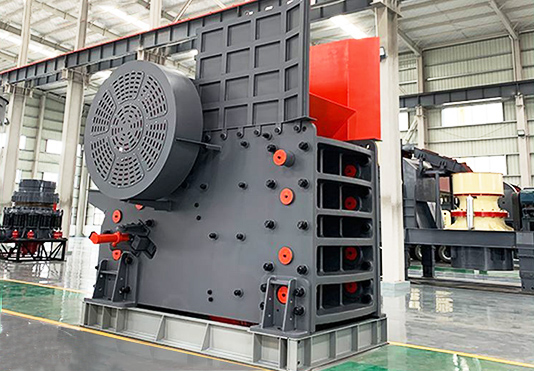
Coarse crushing reduces mined copper ore to a suitable size for further crushing.
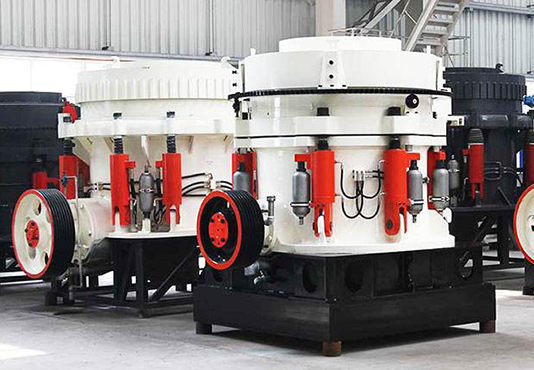
Medium crushing further reduces ore size and prepares material for fine crushing or screening.
Fine crushing prepares copper ore to meet the required feed size for grinding.
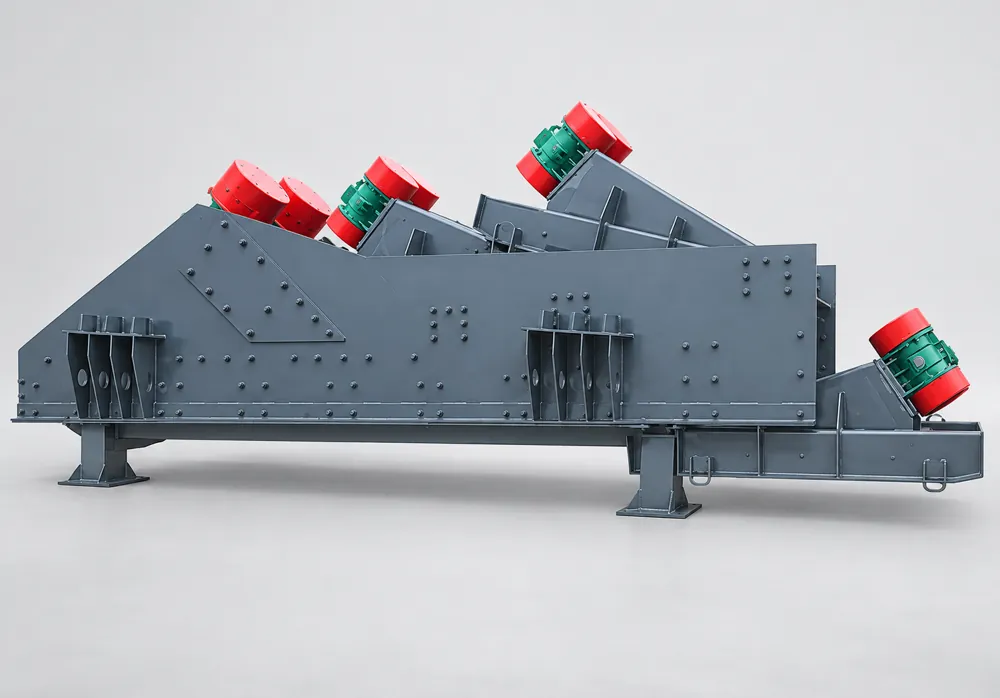
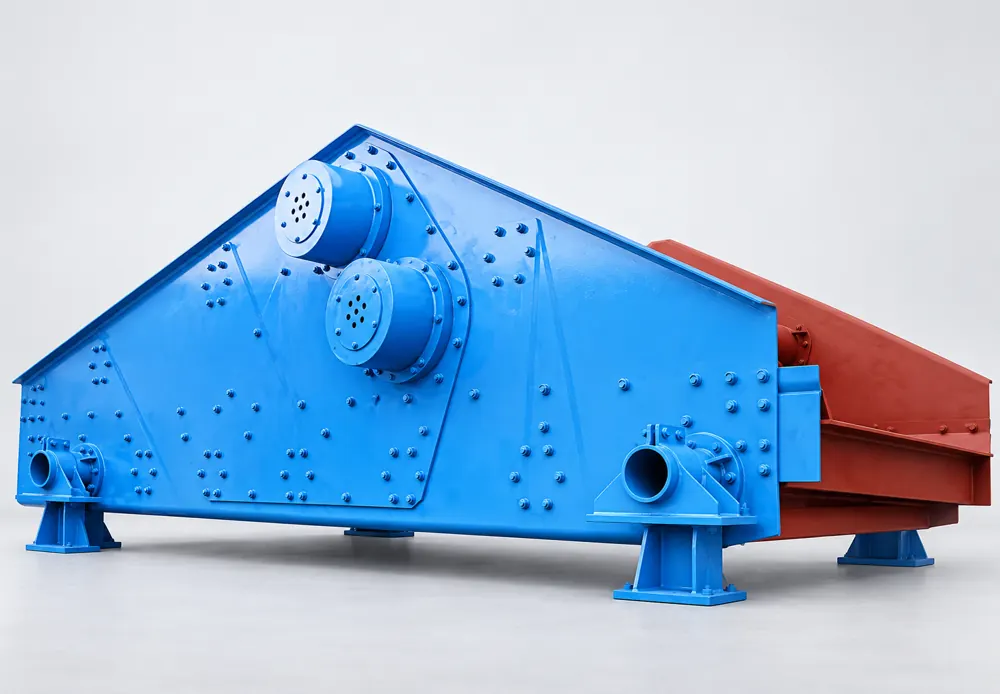
Circular vibrating screen or linear vibrating screen controls crushed ore particle size before grinding.
Grid-type ball mill processes coarse ore particles with high handling capacity. Row 8
Overflow ball mill produces finer particles for improved mineral liberation.
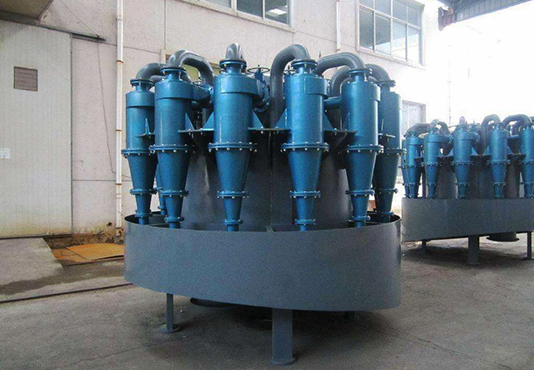
Spiral classifier or hydrocyclone separates fine qualified slurry and returns coarse particles for regrinding.
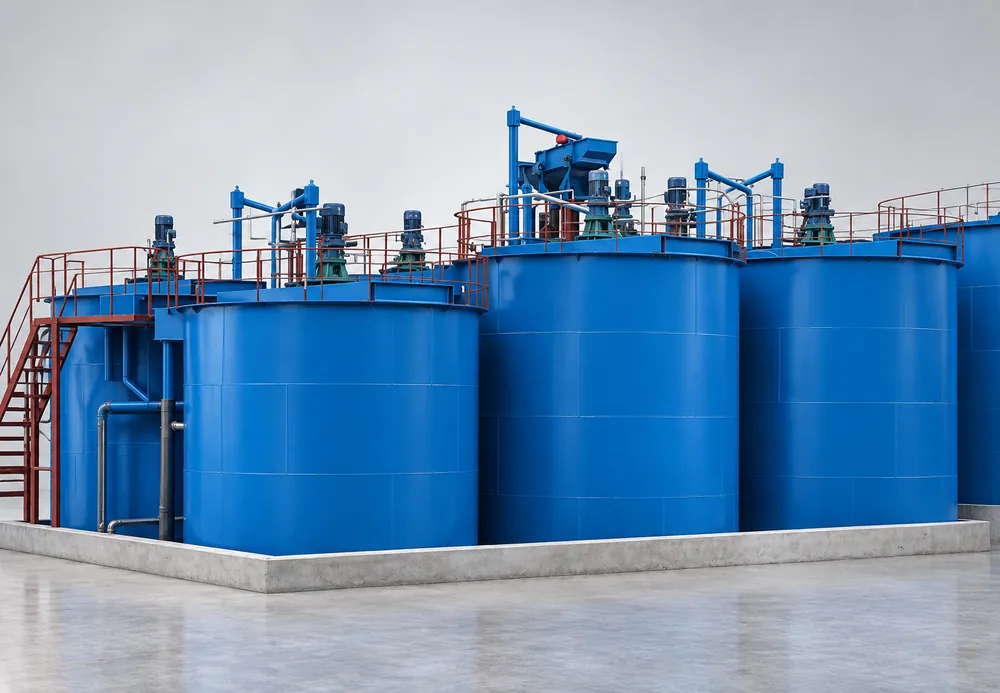
Copper ore slurry is mixed with water and flotation reagents in an agitation tank.
Useful copper sulfide minerals are recovered through roughing, cleaning, and scavenging flotation.
Oxide copper ore can be processed by sulfidation flotation, direct flotation, acid leaching, or ammonia leaching.
Complex copper-lead-zinc or polymetallic concentrate is separated to obtain copper concentrate.
Copper-rich concentrate is collected from flotation foam or recovered from leaching solution.
Qualified copper concentrate is obtained for smelting, refining, power, electrical, and industrial applications.

Get detailed flow diagrams, equipment specifications, and design guidelines


Optimized crushing, grinding, flotation, leaching, and combined beneficiation routes help improve copper mineral recovery from different ore types.**
Ore-type-based process selection helps reduce unnecessary grinding, reagent consumption, circulation load, and operating cost.**
Multi-stage flotation, preferential flotation, mixed concentrate separation, and equal-floatability flotation can be selected for sulfide copper ore.**
Oxide copper ore can be roasted with 2–3% coal powder during segregation-flotation treatment to support copper recovery.**
Direct flotation, sulfidation flotation, acid leaching, ammonia leaching, segregation-flotation, and flotation-leaching combined methods support oxide copper recovery.**
Segregation-flotation treatment can use 0.5–1% salt during roasting to assist copper mineral transformation and separation.**
A customized copper beneficiation line can improve concentrate quality, reduce gangue content, and support faster return on investment for suitable projects.**
Our experienced engineers can design a custom solution to increase your processing capacity and reduce operational costs