The process removes clay minerals, film iron, aluminum-bearing impurities, weak magnetic minerals, mica, feldspar, titanium, chromium, and other trace impurities to produce refined, high-purity, or ultra-high-purity silica sand.
Energy Efficient
The beneficiation route can be selected according to raw sand impurity type, product quality requirement, and purification cost, helping reduce unnecessary processing steps.
Automated Control
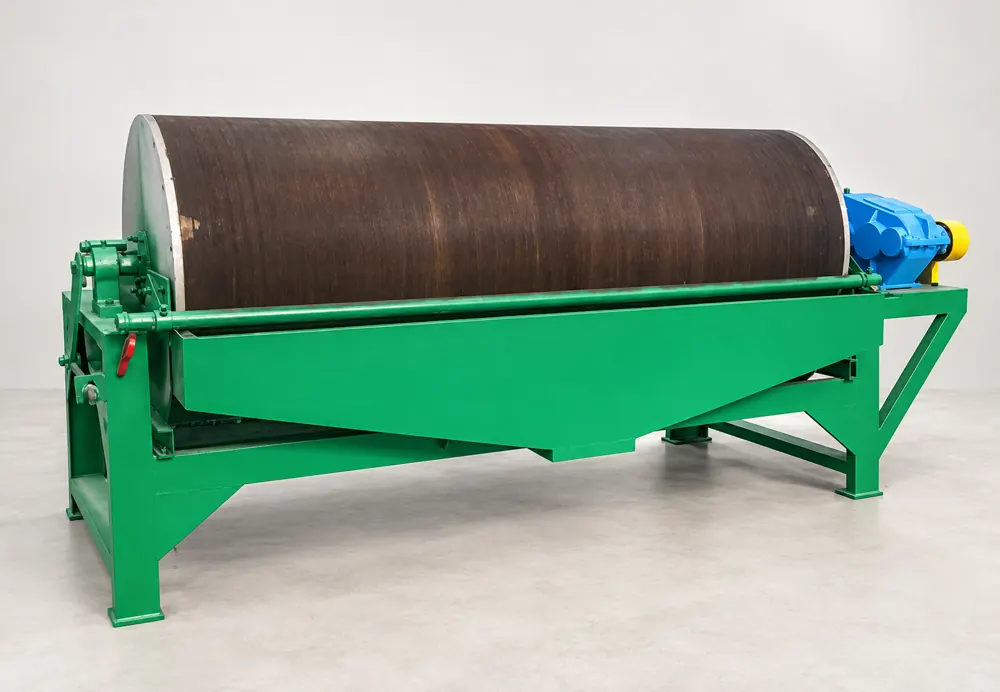
The line can be configured with automatic washing, classification, desliming, scrubbing, magnetic separation, flotation, acid leaching, microbial leaching, dewatering, and product collection systems.
Modular Design
The process can be customized for ordinary industrial silica sand, refined silica sand, high-purity quartz, optical glass sand, or ultra-high-purity silica applications.
Complete Process Flow
01
Raw Sand
Raw quartzite or silica sand enters the beneficiation process.
02
Scrubbing Machine
Scrubbing removes clay, surface impurities, and attached mud from the sand particles.
03
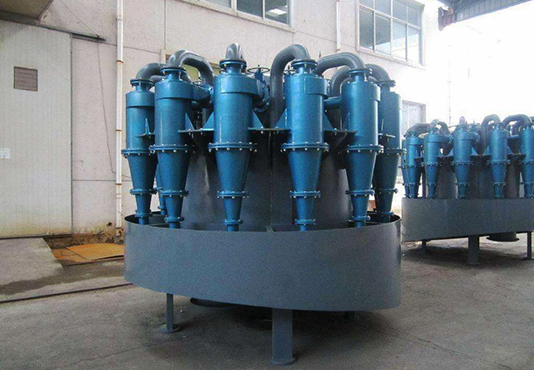
Hydrocyclone
Hydrocyclone separates fine slime from the usable sand slurry.
04
Slime Discarding
Fine slime and unwanted mud are removed from the process.
05
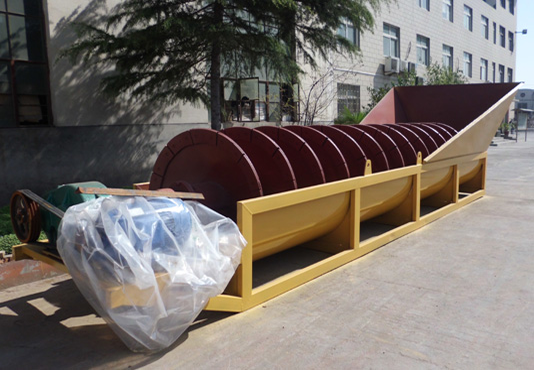
Spiral Classifier
The usable slurry is classified by particle size and density.
06
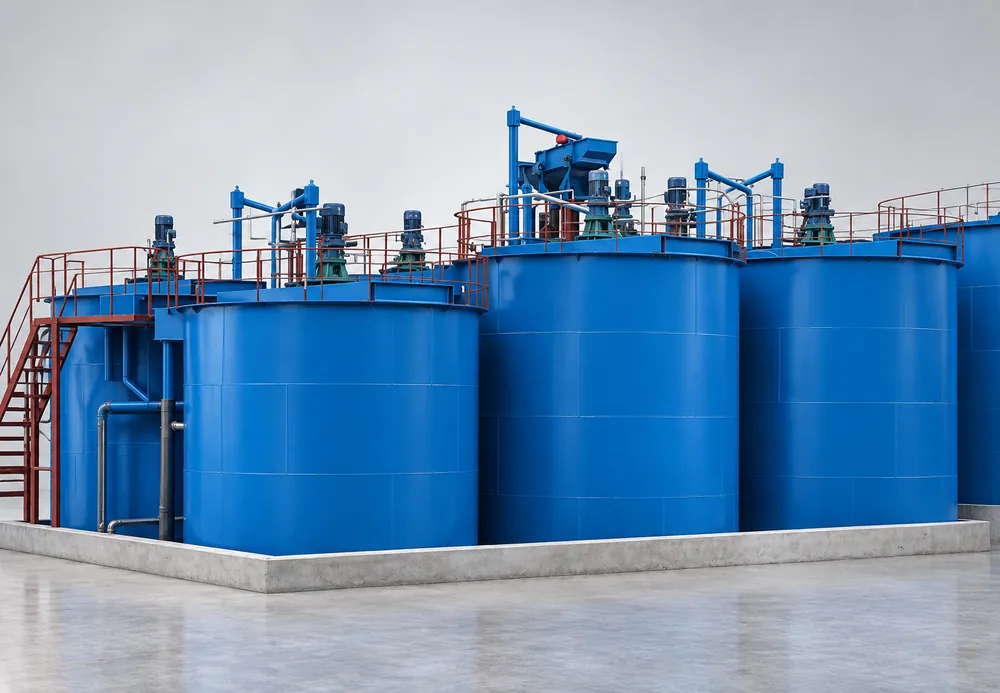
Pulp Conditioning
Slurry concentration is adjusted before flotation separation.
07
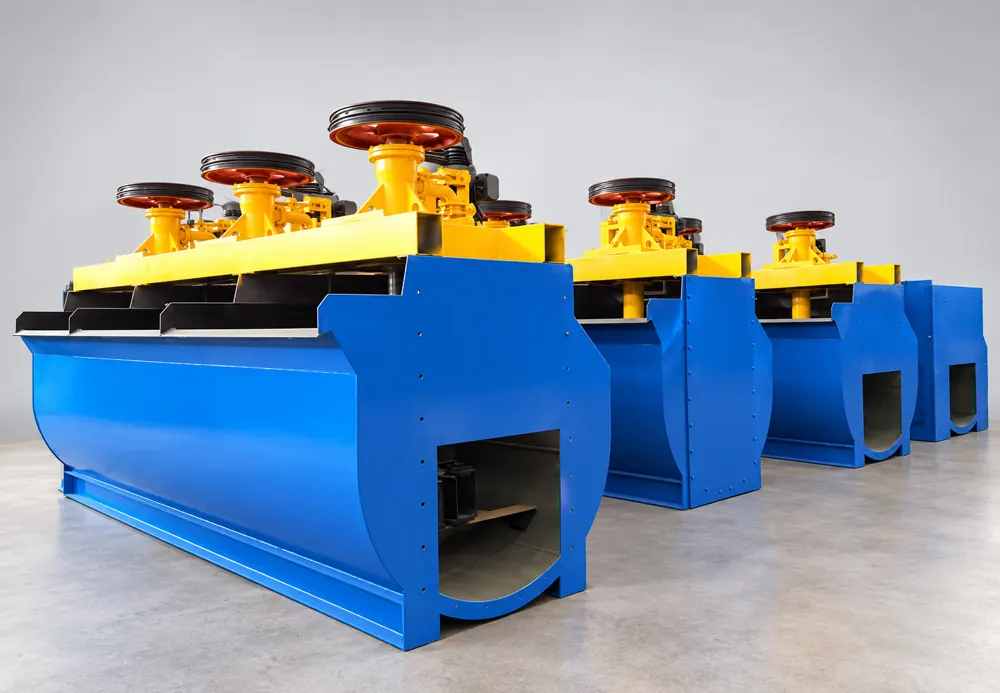
Iron-Bearing Mineral Flotation
Iron-bearing impurity minerals are removed from the silica sand stream.
08
Heavy Minerals Separation
Heavy minerals are separated for independent treatment.
09
Secondary Spiral Classification
Remaining heavy mineral fractions are further classified.
10
Secondary Heavy Minerals Treatment
Additional heavy minerals are removed for separate treatment.
11
Final Pulp Conditioning
The quartz slurry is prepared for the final flotation stage.
12
Quartz Sand Flotation
Quartz sand flotation separates feldspar from purified quartz sand.
13
Feldspar Concentrate Recovery
Feldspar concentrate is collected as a separate product.
14
Quartz Sand Concentrate Recovery
Purified quartz sand concentrate is obtained as the main final product.
15
Final Product Separation
Feldspar concentrate and quartz sand concentrate are discharged separately for downstream industrial use.
Download Complete Process Documentation
Get detailed flow diagrams, equipment specifications, and design guidelines