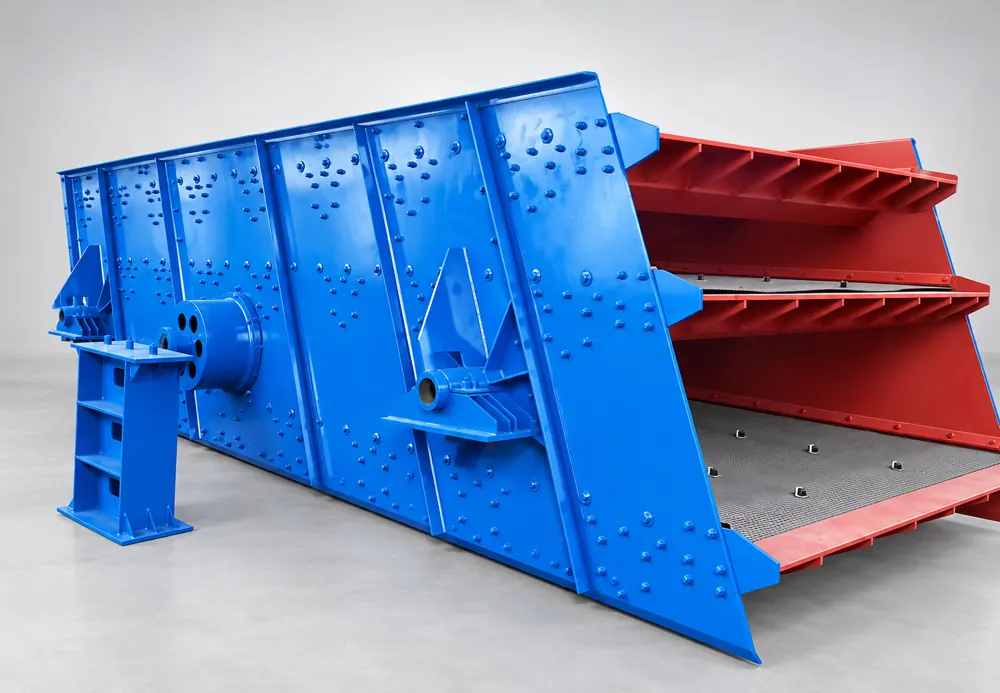
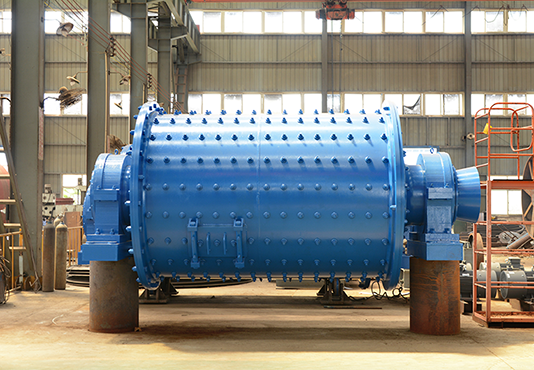
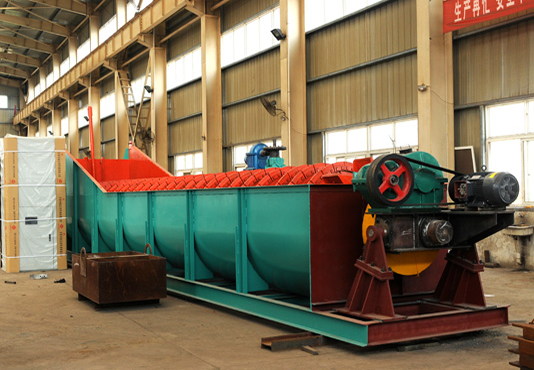
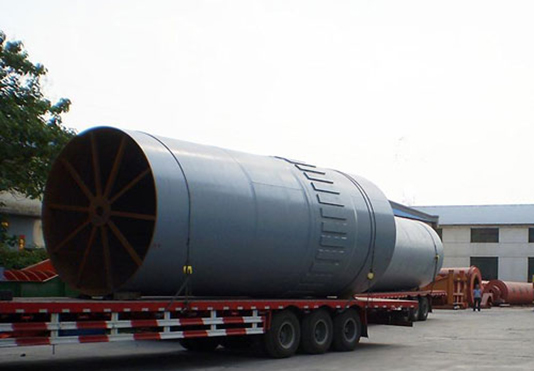
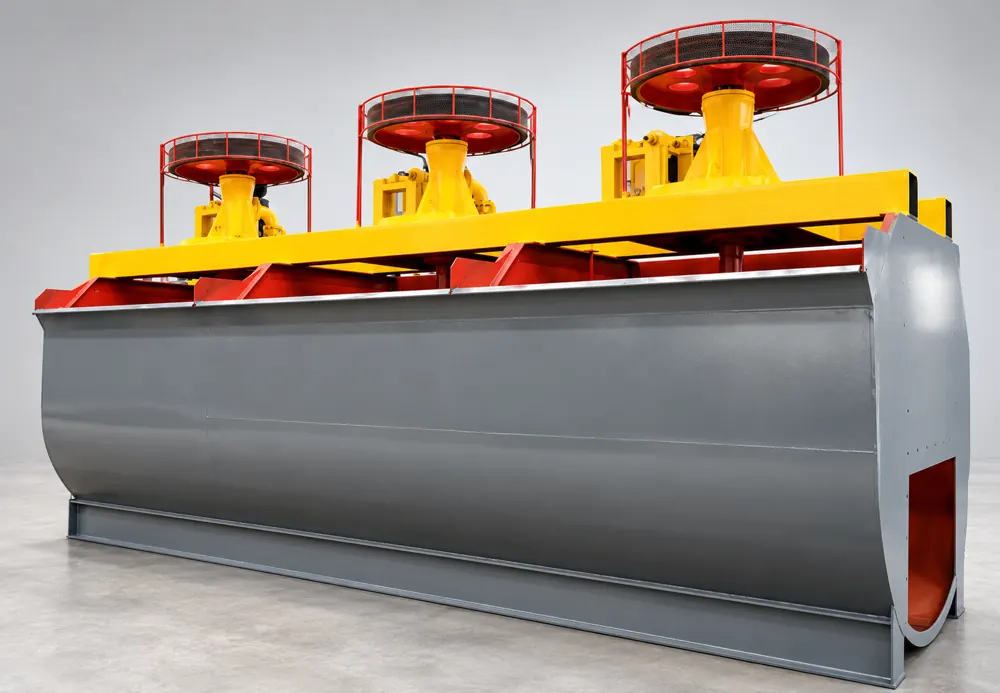
The bauxite production line uses washing, crushing, grinding, classification, flotation, concentration, and filtration to improve bauxite concentrate quality.
Energy Efficient
Three-stage closed-circuit crushing, closed-circuit grinding, and optimized flotation help improve processing efficiency and reduce unnecessary energy consumption.
Automated Control
The production line can be configured with automatic feeding, washing, crushing, grinding, classification, flotation, concentration, filtration, and material conveying systems.
Modular Design
The process can be customized according to bauxite ore grade, particle size, grinding fineness, production capacity, and final concentrate requirements.
Complete Process Flow
01
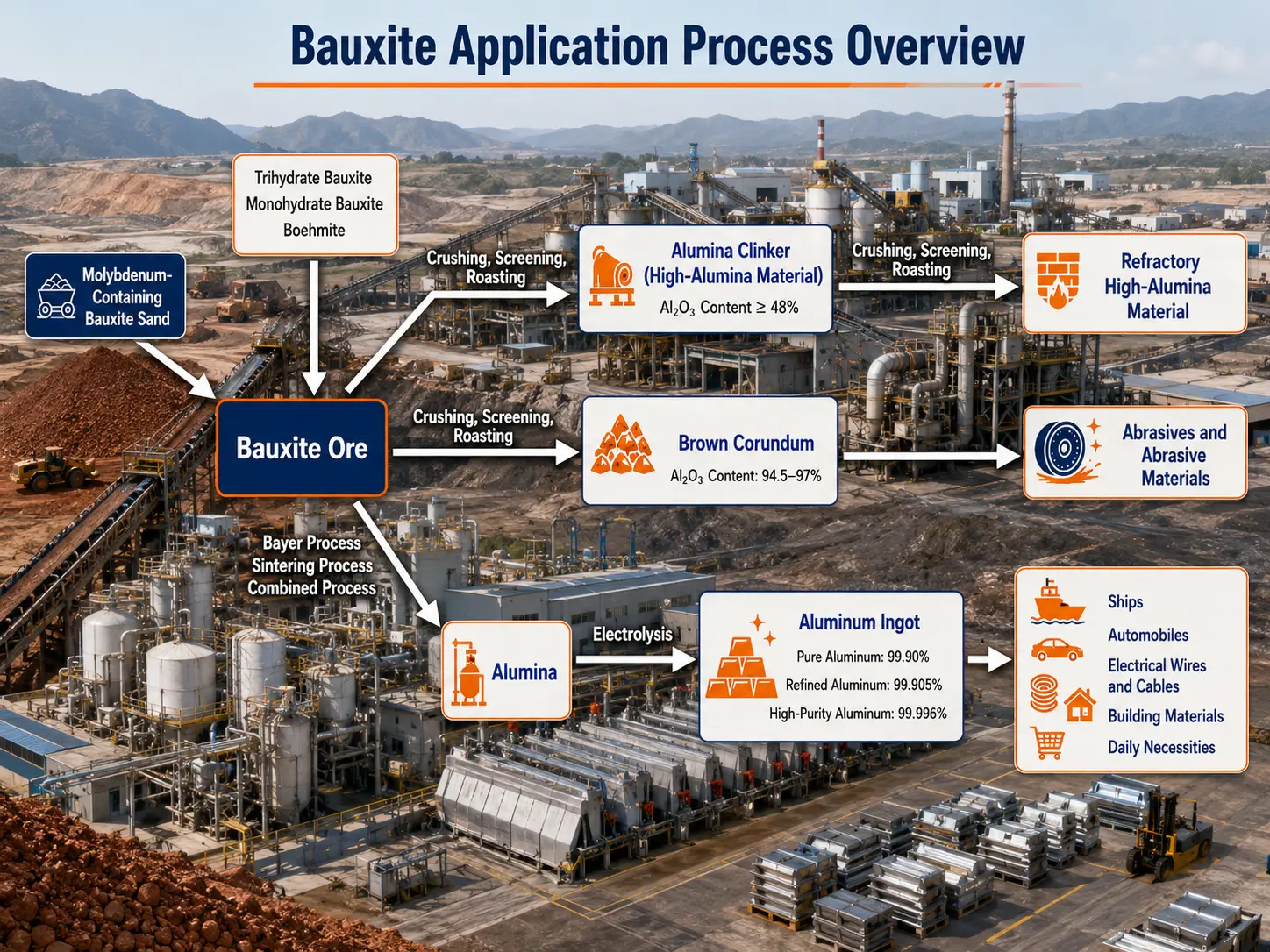
Bauxite Ore
Bauxite ore is used as the main raw material for different production applications.
02
Crushing
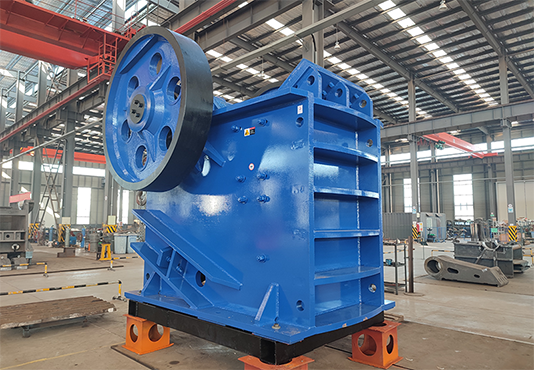
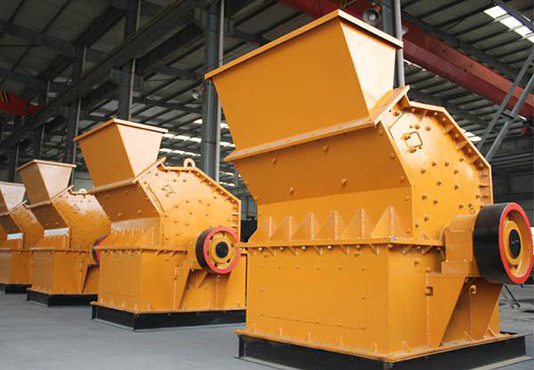
Bauxite ore is crushed to prepare suitable material size for further processing.
03
Screening
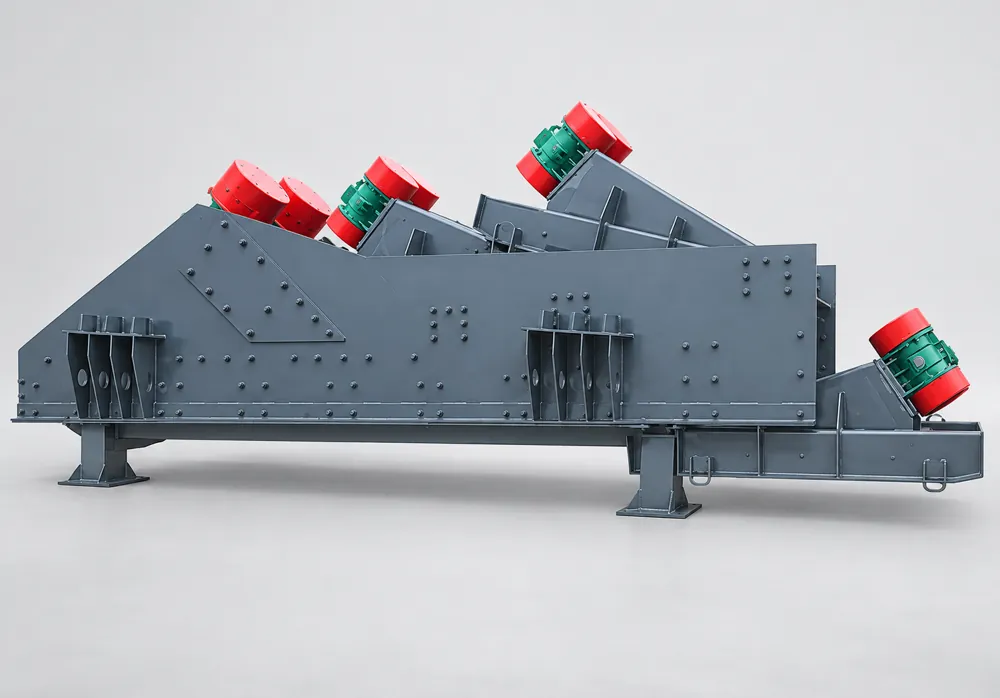
Crushed bauxite is screened to classify suitable particle sizes for different applications.
04
Roasting
Screened bauxite is roasted to improve material quality and prepare high-alumina products.
05
Alumina Clinker Production
Processed bauxite can produce alumina clinker with Al₂O₃ content ≥48%.
06
Refractory Material Processing
Alumina clinker is further crushed, screened, and roasted for refractory high-alumina materials.
07
Brown Corundum Production
Bauxite can be processed into brown corundum with Al₂O₃ content of 94.5%–97%.
08
Abrasive Material Application
Brown corundum is used for abrasives and abrasive material production.
09
Alumina Production
Bauxite can be processed into alumina through Bayer process, sintering process, or combined process.
10
Aluminum Ingot Production
Alumina is converted by electrolysis into aluminum ingot for ships,
Download Complete Process Documentation
Get detailed flow diagrams, equipment specifications, and design guidelines