
Aluminum dross (also called aluminum ash or aluminum slag) is the layer skimmed off the surface of molten aluminum in smelting, remelting, casting and extrusion plants. It is a mixture of metallic aluminum trapped in aluminum oxide, together with smaller amounts of nitrides, carbides and, in black dross, salt flux residues. Because the metal portion can be remelted, dross is a resource rather than simple waste.
The key to cold dross processing is the different behavior of the materials: metallic aluminum is ductile, while oxides and other non-metallic components are brittle. During crushing and grinding the oxides break into fine powder, but aluminum particles are flattened into flakes and granules that stay coarse. A screen can then separate the metal-rich coarse fraction from the oxide-rich fines.
Typical process steps
1. Cooling and pre-sorting: hot dross is cooled and large metal pieces or tramp material are picked out by hand.
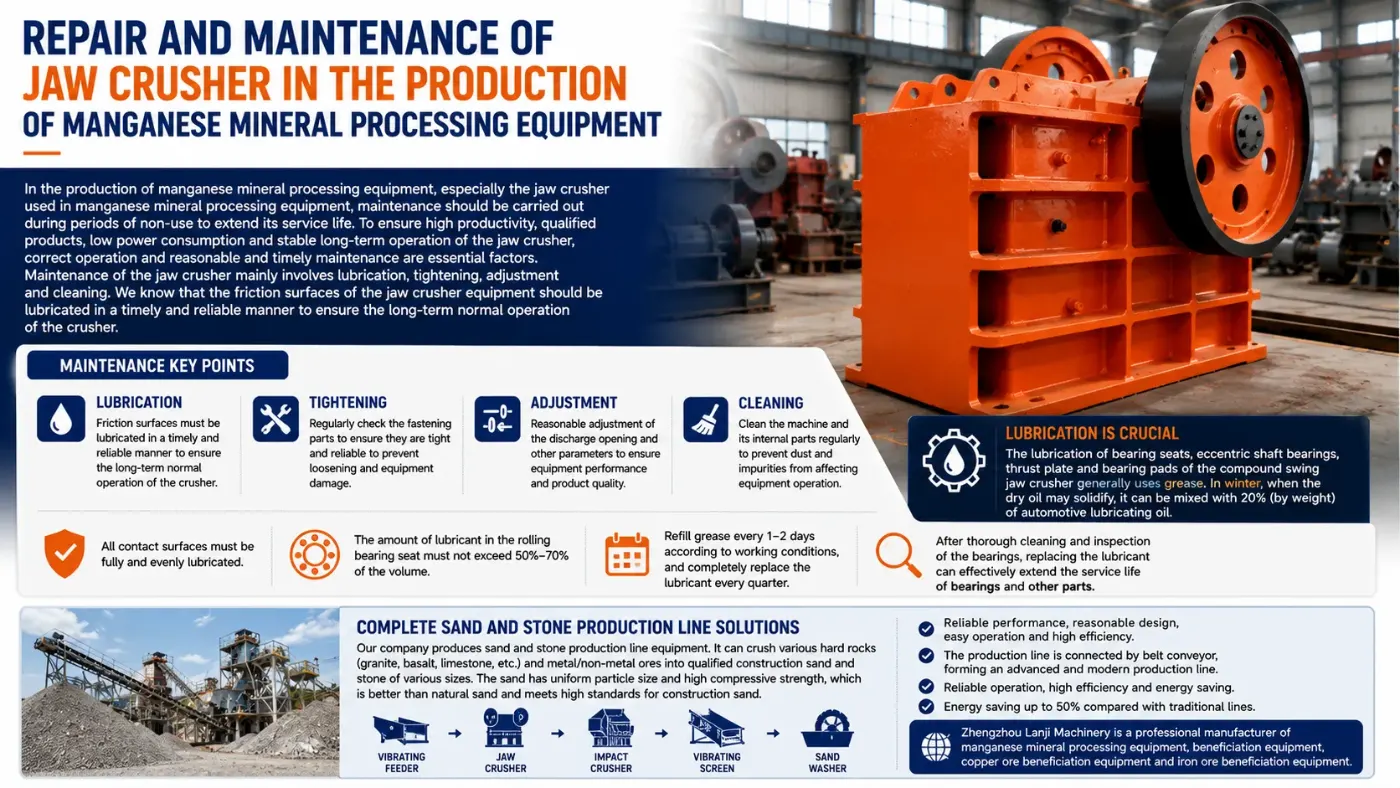
2. Feeding: a vibrating feeder delivers the cooled dross evenly and prevents overloading the crusher.
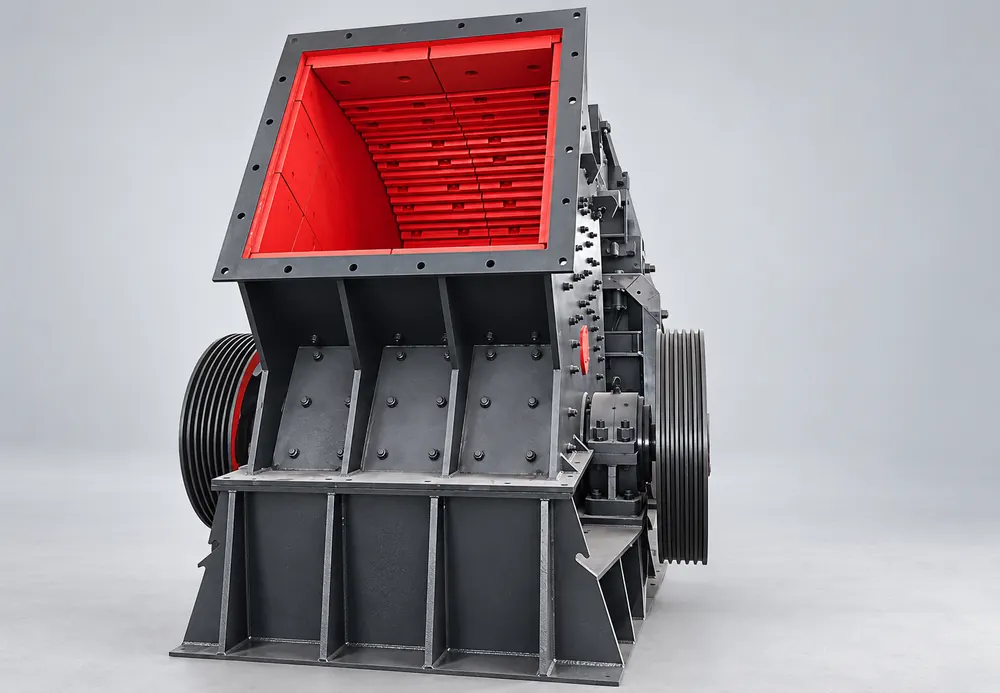
3. Primary crushing: a hammer crusher breaks large dross lumps down to a size the mill can accept and releases part of the trapped metal.
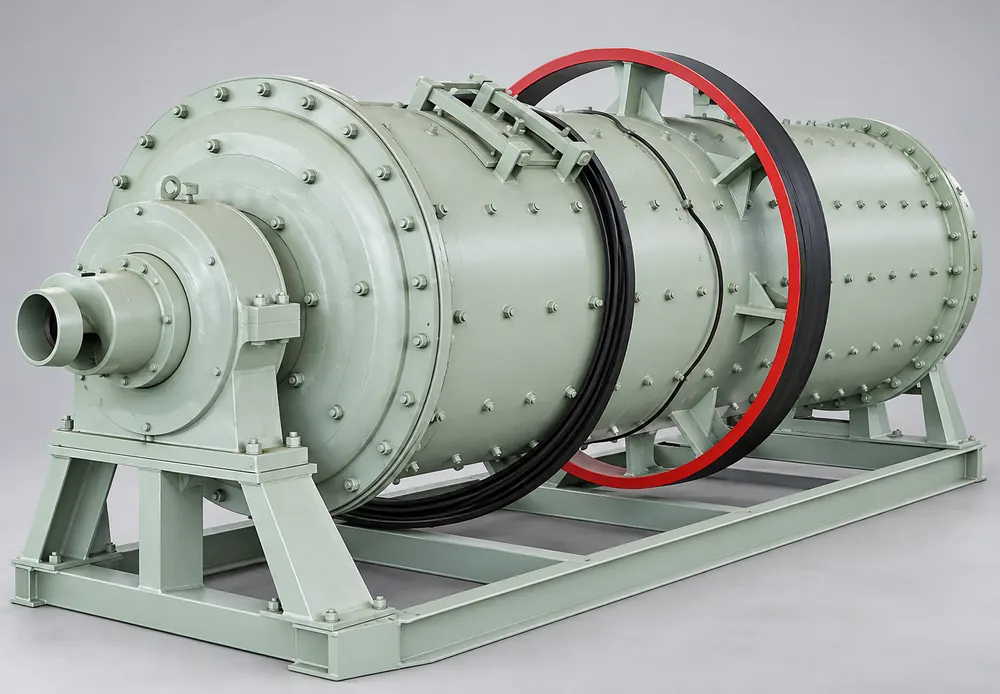
4. Grinding: an aluminum ash ball mill grinds the oxide shell into powder while the aluminum is flattened and cleaned.
5. Screening: a vibrating screen splits the product into size fractions. The coarse fractions are rich in metallic aluminum; the fine powder is collected separately.
6. Remelting: the recovered metal concentrate is charged into a furnace, usually a rotary furnace, and turned back into aluminum.
A well-designed dross line turns a disposal cost into a source of metal and reduces the volume of residue that has to be handled. Results depend on the dross type: white dross from clean melting usually contains much more metal than black dross from salt-flux operations, so the line should be sized after testing a representative sample.
Main equipment in a cold dross processing line
• ZSW Vibrating Feeder – steady, adjustable feed to the crusher and removal of fines before crushing.
• Heavy Hammer Crusher – high-ratio crushing of large dross lumps; the hammers and grate opening control the product size.
• Aluminum Ash Ball Mill – the core machine: it grinds oxides to powder and separates them from metallic aluminum, in dry or wet operation.
• YK Series Circular Vibrating Screen – multi-deck screening into metal concentrate, middlings and fine ash.
• TD Belt Conveyor – connects the machines and carries the products to storage or bagging.
For dry processing, the mill and screen should be enclosed and connected to a dust collector. A magnetic separator can be added to remove iron pieces from the feed.
Cold dross processing lines are used by secondary aluminum smelters and remelting plants; aluminum extrusion, rolling and casting plants that want to recover metal from their own dross; die-casting foundries; and dross recycling companies that collect dross from several producers. The same crushing – grinding – screening approach is also applied to aluminum slag from scrap melting and to other slags in which a ductile metal must be separated from brittle oxides.
Line size ranges from compact units for a single foundry to continuous lines that handle dross from several furnaces. Batch or continuous operation, the number of screen decks and the need for a cooler or dryer depend on the daily dross quantity and on how hot or damp the material arrives.

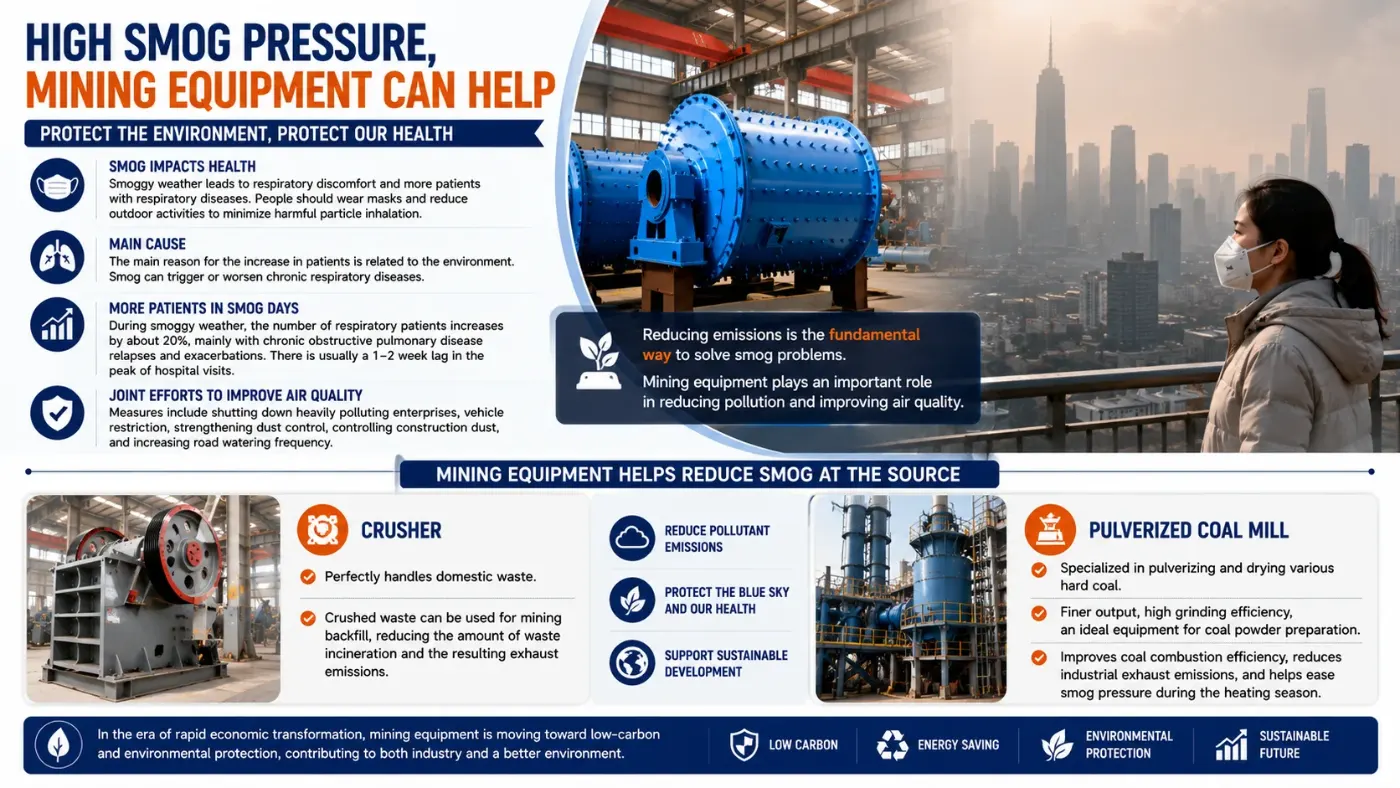
Recovering aluminum from dross saves primary metal and reduces the amount of material sent to landfill. Safe design is essential because aluminum dross reacts with water: aluminum nitride releases ammonia, carbides can form methane and fine aluminum can release hydrogen. Dross should therefore be stored dry and under cover, the processing area should be well ventilated, and dry grinding and screening lines should use enclosed transfer points and a bag-type dust collector. The fine ash collected from the line should be handled according to local environmental regulations; depending on its composition, it can be treated further or evaluated for use in other industries instead of being landfilled.
ZhengGang Machinery supplies individual machines and complete aluminum dross processing lines. The configuration – feeder, hammer crusher, ball mill size, screen decks, conveyors and dust collection – is selected according to dross type, lump size, moisture, daily capacity and the required metal recovery. Prices depend on the final configuration, so we quote after reviewing your material information. Contact our engineers with your dross type, capacity and site conditions to receive a process proposal and quotation.
Aluminum dross is a valuable secondary resource. A cold processing line that combines feeding, hammer crushing, ball milling and screening separates metallic aluminum from oxides in a simple and reliable way, and the recovered metal goes straight back to the furnace.
FAQ
What is the difference between aluminum dross, aluminum ash and aluminum slag?
The names are often used for the same material – the oxide-rich layer skimmed from molten aluminum. "Ash" usually refers to the finer, ground material.
Why use a ball mill and not only a crusher?
A crusher reduces lump size, but the ball mill cleans the oxide shell from the metal and flattens the aluminum particles so they can be screened out.
Can black dross be processed on the same line?
Yes, but it contains less metal and more salt, so recovery is lower and the fines need careful handling. Testing a sample first is recommended.
Wet or dry processing?
Dry processing is simpler and avoids gas generation from contact with water; wet processing removes salts but requires water treatment. The choice depends on dross composition and local conditions.
Contact our sales team today to learn more or schedule a demonstration at your site.
Get a Quote
Tell us about your project. Our engineers will recommend the right equipment and price.