01
Raw Iron Ore
Magnetite, hematite, limonite, siderite, or mixed iron ore enters the beneficiation plant.
02
Ore Type Analysis
The beneficiation route is selected according to iron ore type, mineral composition, grade, and magnetic properties.
03
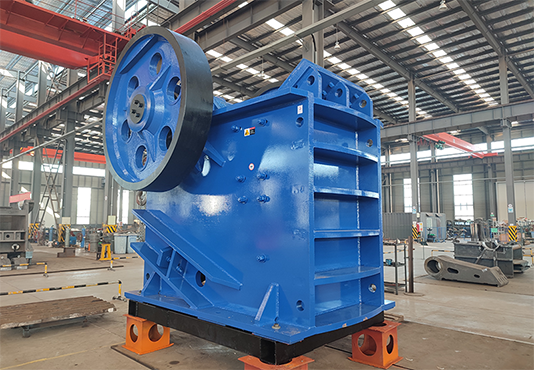
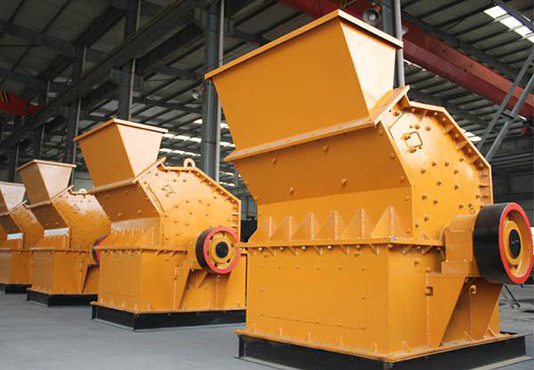
Crushing
Raw iron ore is crushed to reduce particle size before grinding and separation.
04
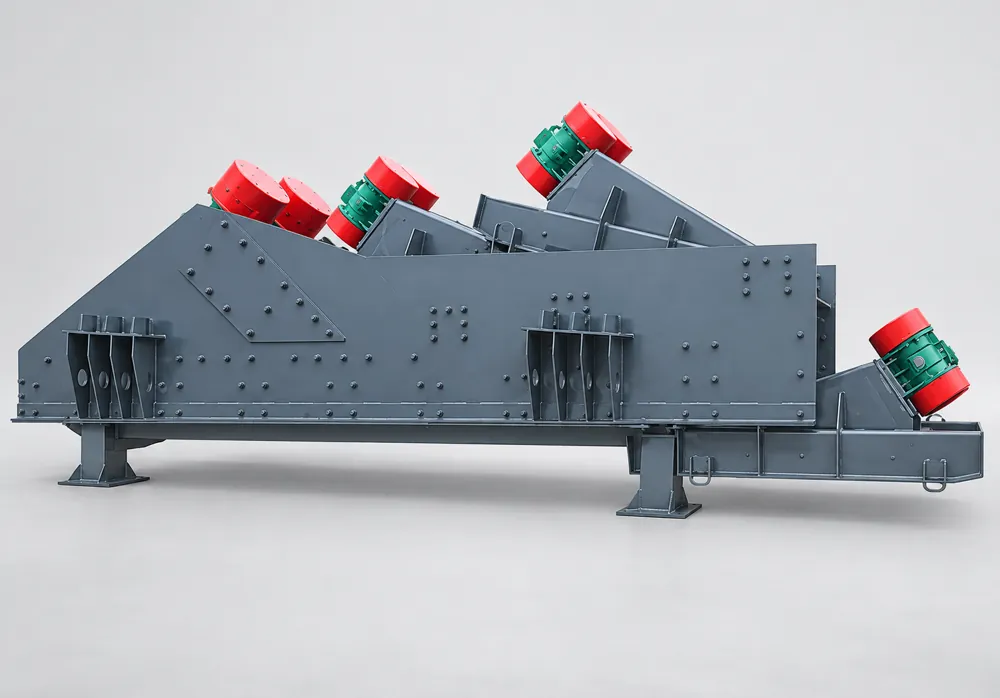
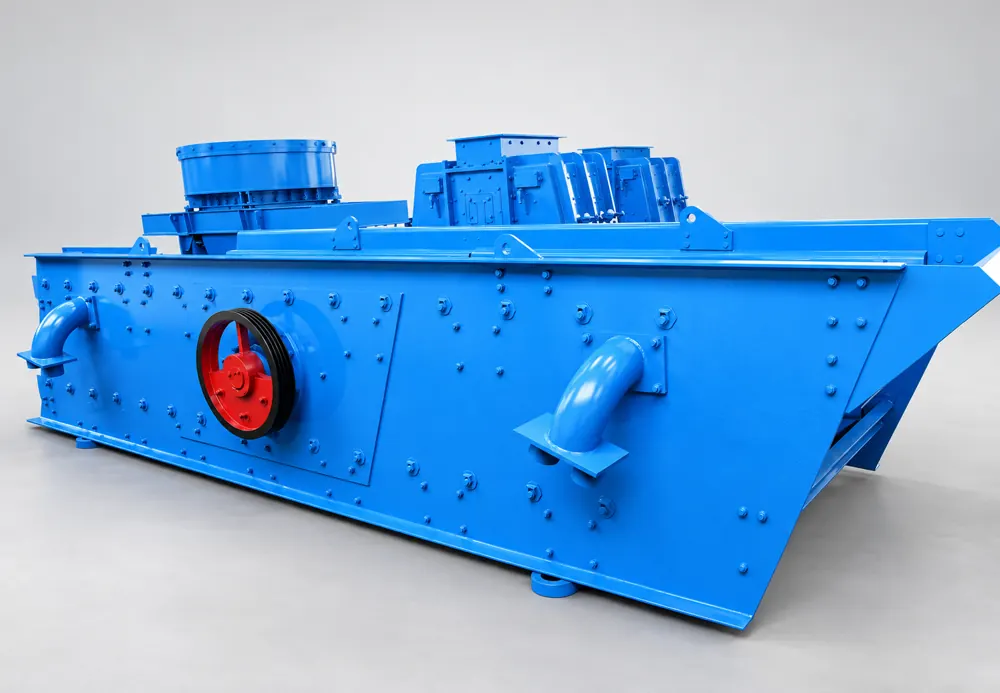
Screening
Crushed ore is screened to control suitable feed size for the next processing stage.
05
Pre-Waste Rejection
Magnetic pulley separation can remove surrounding rock before grinding for simple magnetite ore.
06
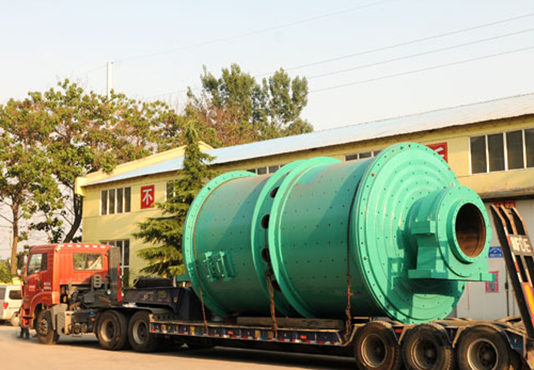
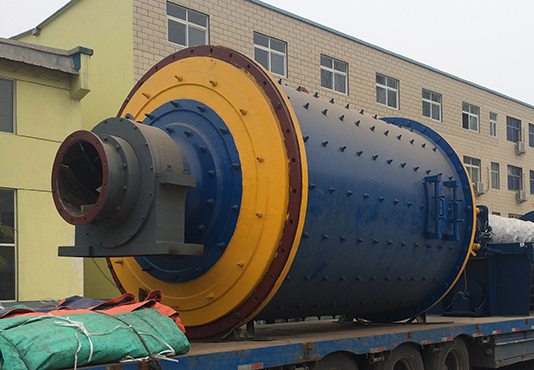
Grinding
Iron ore is ground to achieve suitable liberation between iron minerals and gangue minerals.
07
Classification
Ground slurry is classified, and coarse particles return for further grinding when required.
08
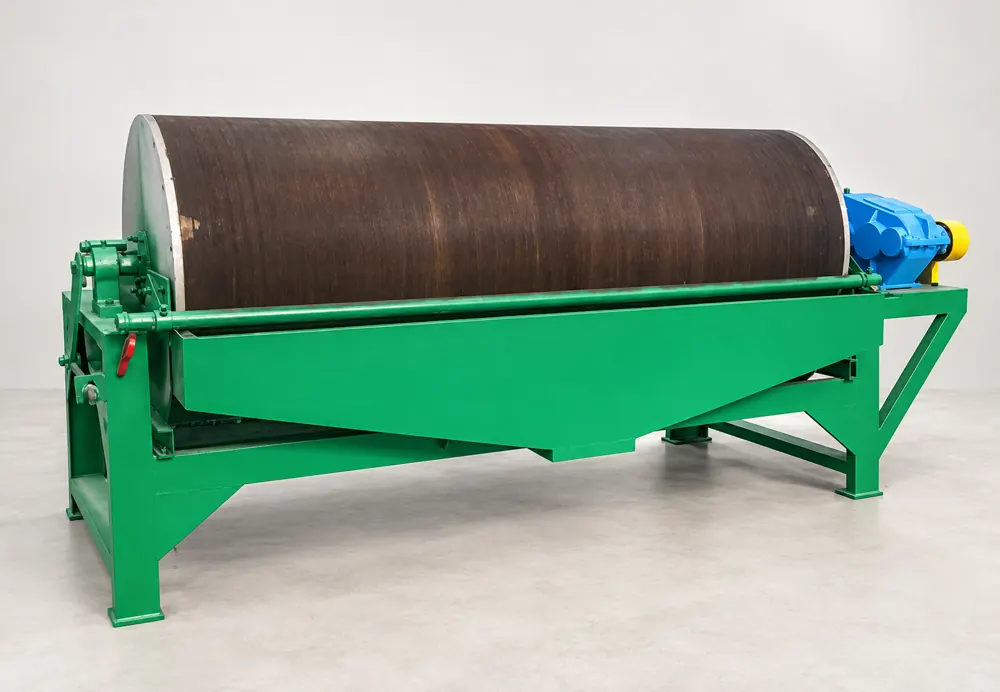
Weak Magnetic Separation
Strongly magnetic magnetite is recovered through weak magnetic separation.
09
Reverse Flotation
Silica and other gangue impurities are removed when magnetite concentrate grade needs improvement.
10
Strong Magnetic Separation
Weakly magnetic iron minerals such as hematite, limonite, and siderite are recovered under strong magnetic field.
11
Gravity Separation
Spiral chute, jigging, or shaking table separation is used for coarse or medium-fine hematite, limonite, or siderite ore.
12
Flotation Separation
Positive flotation or reverse flotation improves iron concentrate grade according to ore properties.
13
Combined Beneficiation
Weak magnetic, strong magnetic, gravity separation, flotation, or roasting methods are combined for complex mixed iron ore.
14
Concentrate Upgrading
Rough concentrate is cleaned to improve iron grade and reduce non-metallic impurities.
15
Final Iron Concentrate
Qualified iron concentrate is collected for steelmaking and metallurgical applications.