The process uses gravity separation to recover gold and associated heavy minerals from placer gold ore, with combined separation methods for further mineral recovery.
Energy Efficient
Gravity separation is an effective and economical method for placer gold recovery, helping reduce unnecessary processing cost.
Automated Control
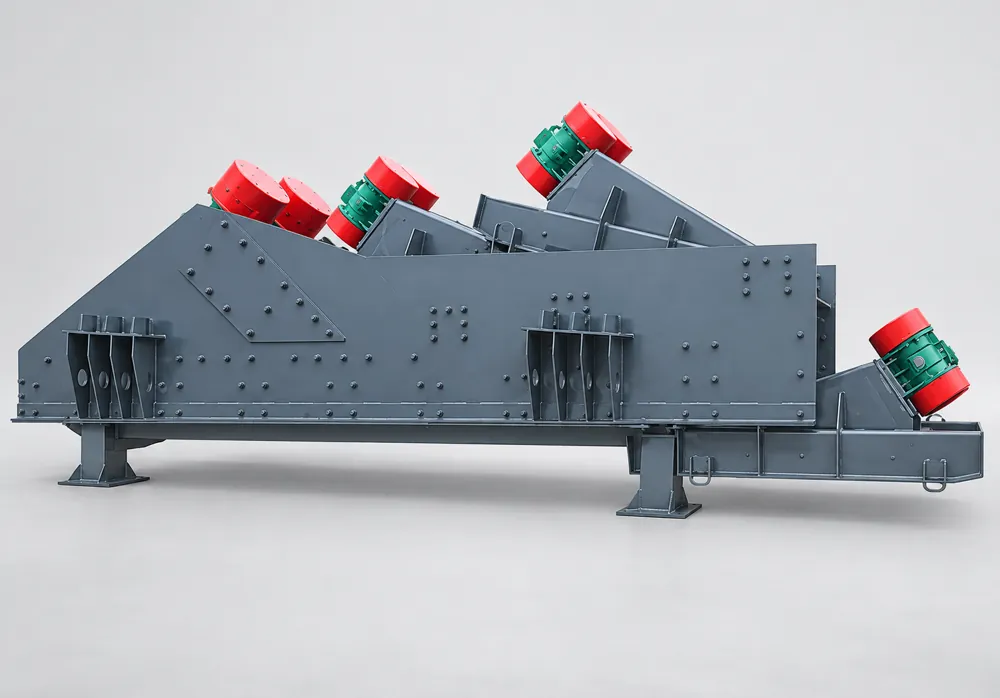
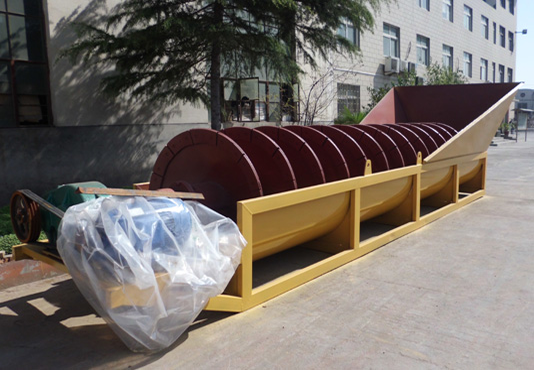
The line can be configured with washing, screening, desliming, sluice separation, jigging, shaking table concentration, magnetic separation, and heavy mineral recovery systems.
Modular Design
The process can be customized according to gold particle size, mud content, gravel content, ore washing requirement, and final recovery method.
Complete Process Flow
01
Ore Sand
Raw sand gold ore enters the beneficiation process from the mine.
02
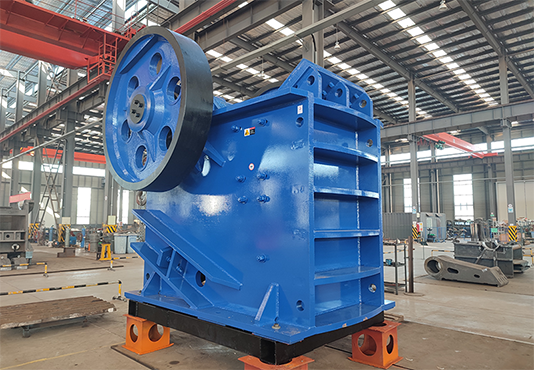
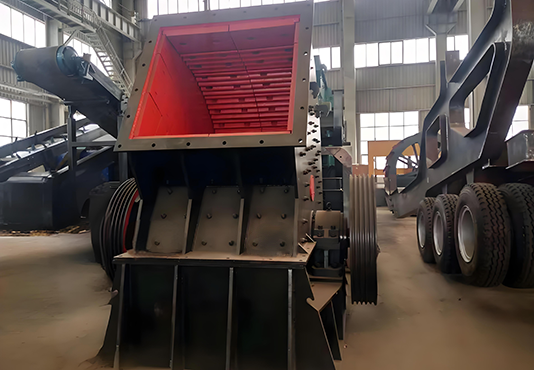
Crushing
Large ore is crushed into smaller size for better liberation.
03
Classification I
The material is initially classified to separate coarse and fine fractions.
04
Gravel Separation
Large gravel and boulders are separated from the ore stream.
05
Large Gold Stone Discarding
Oversized gold-bearing stones are collected and discarded.
06
Fine Ore Sand
Fine ore sand moves forward to the roughing stage.
07
Roughing
Primary concentration is carried out to recover gold-bearing rough concentrate.
08
Rough Concentrate
Gold-bearing rough concentrate is obtained from the roughing stage.
09
Cleaning
Impurities are removed to improve the grade of the gold concentrate.
10
Sand Gold Concentrate
High-grade sand gold concentrate is obtained as the final product. Row 11
11
Medium Ore
Medium-grade material is returned to the process or sent for special treatment.
12
Tailings from Roughing
Low-grade material from roughing is discharged as tailings for further classification.
13
Classification II
Roughing tailings are further classified for secondary recovery.
14
Scavenging
Fine ore sand from secondary classification is treated to recover remaining gold.
15
Final Tailings Discarding
Final waste material is discarded after secondary recovery, while rough concentrate may return for re-treatment.
Download Complete Process Documentation
Get detailed flow diagrams, equipment specifications, and design guidelines